The Digital Frontier: Exploring the Future of Cyberpunk Technology
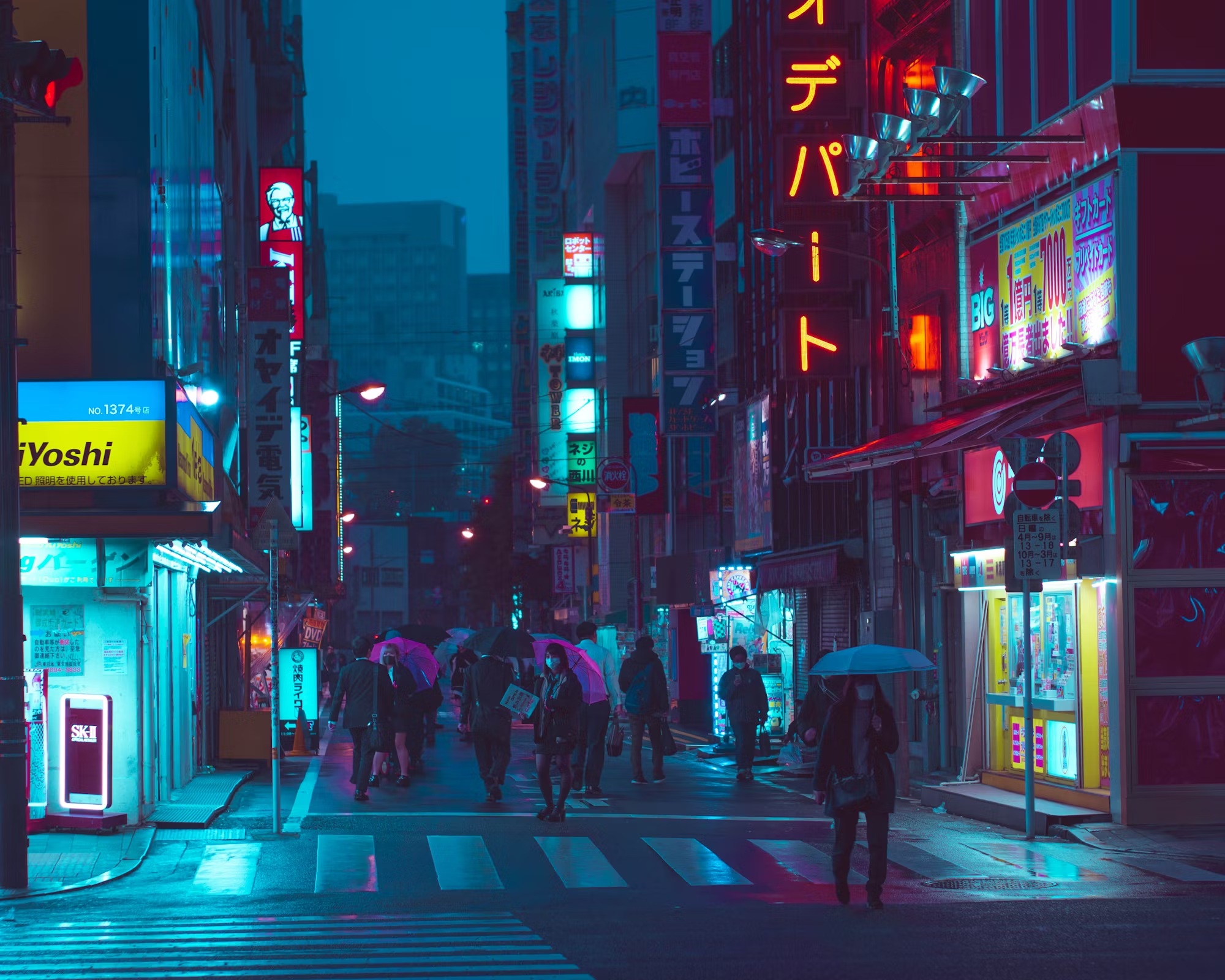
As we stand on the cusp of a new technological era, the themes of cyberpunk resonate more than ever. This subgenre of science fiction offers a lens through which to examine our relationship with technology, society, and ourselves. In a world increasingly defined by digital interfaces and advanced innovations, the reflections of cyberpunk are not merely fantasies but cautionary tales that challenge us to consider what lies ahead. This article explores the digital frontier of cyberpunk, focusing on themes of advanced technology, identity, corporate influence, and the inherent struggles that accompany our future.
Cyberpunk is known for its vivid imagery and distinctive aesthetics, particularly the neon-lit urban landscapes that create a stark contrast between advancement and decay. These settings serve as backdrops for narratives that often feature towering skyscrapers, bustling streets, and the omnipresence of technology. The blending of cultures—particularly Eastern and Western influences—creates a rich tapestry that mirrors the complexities of our global society. Within these digital metropolises, the neon lights symbolize hope and despair, illuminating the lives of those who navigate their shadows.
In this world, advanced technology is not merely a tool; it becomes an extension of humanity itself. Cybernetic enhancements are frequently depicted, blurring the lines between human and machine. Imagine individuals equipped with neural implants that augment their cognitive abilities or exoskeletons that grant them superhuman strength. These advancements invite contemplation about the nature of identity—what does it mean to be human when one’s abilities can be enhanced or altered at will? The integration of technology into our bodies raises profound questions about autonomy, agency, and the essence of our humanity.
Virtual reality (VR) and augmented reality (AR) play pivotal roles in the cyberpunk narrative, offering escapism from the often harsh realities of life. Characters frequently immerse themselves in fully realized digital worlds, where they can transcend physical limitations and explore new dimensions of existence. This shift prompts important discussions about reality and perception: as we become more intertwined with our digital selves, how do we discern what is real? This inquiry not only reflects the themes of cyberpunk but also resonates with contemporary society as social media and digital personas shape our interactions and self-perception.
Another critical theme in cyberpunk is the overwhelming influence of corporate power. Mega-corporations dominate the socio-economic landscape, often overshadowing governmental structures. These entities wield significant control over resources, technology, and information, resulting in societal stratification where the elite thrive, while the marginalized struggle to survive. This corporate governance leads to a culture where profit takes precedence over ethics, raising important questions about the responsibility of those in power. Characters often find themselves pitted against these corporate giants, embodying the spirit of rebellion and resistance against the status quo.
Within this framework, cybercrime and hacktivism emerge as forms of resistance. In many narratives, hackers are portrayed as the new age rebels, utilizing their skills to subvert corporate control and expose injustices. The struggle for data privacy and freedom of information becomes central to the cyberpunk ethos, reflecting real-world concerns about surveillance and personal autonomy. This dichotomy between the oppressor and the oppressed creates a compelling narrative, highlighting the power dynamics that exist within our increasingly interconnected world.
As characters navigate these complex environments, they often embody the archetypes of the anti-hero or the marginalized figure. These protagonists are flawed yet relatable, grappling with their identities in a world that often seeks to define them. They challenge the norms and expectations imposed by society, seeking personal freedom and social justice. This exploration of character development in cyberpunk emphasizes the human experience—resilience, creativity, and the pursuit of meaning amidst chaos.
The urban landscapes depicted in cyberpunk stories are also notable for their duality. While they showcase advanced technology, they simultaneously reveal social decay, poverty, and crime. The contrast highlights the costs of progress and serves as a reminder of the disparities that exist within our own society. As characters traverse these gritty settings, they encounter a range of human experiences that reflect the spectrum of existence, from vibrant subcultures to the stark realities of survival in a technologically advanced yet socially fragmented world.
Incorporating elements from various cultures, particularly Japanese influences, cyberpunk often reflects the complexities of globalization. The blend of languages, customs, and philosophies adds depth to the narratives, fostering a dialogue between different perspectives on technology and identity. This cultural interplay not only enriches the stories but also challenges readers to consider how our interconnected world shapes our understanding of progress and humanity.
As we delve deeper into the implications of technology, themes of post-humanism and transhumanism emerge prominently in cyberpunk literature. These concepts push the boundaries of what it means to be human, questioning our perceptions of consciousness and existence. As characters navigate their enhanced realities, they confront ethical dilemmas surrounding the fusion of man and machine. This exploration invites readers to reflect on the potential futures we may face and the moral responsibilities that come with technological advancement.
As we envision the future, the reflections offered by cyberpunk serve as both warnings and inspirations. The narratives encourage us to engage with the ethical implications of our technological choices and to advocate for a society that prioritizes equity and justice. The allure of a digitally advanced future should not come at the cost of our humanity. By recognizing the complexities and challenges of our evolving relationship with technology, we can strive to create a future that harnesses innovation for the greater good.
In conclusion, the digital frontier of cyberpunk presents a rich landscape for exploring the intersections of technology, identity, and society. As we navigate this complex terrain, we must consider the implications of our choices and the futures we wish to create. By embracing the spirit of rebellion and the pursuit of justice, we can ensure that the promise of technology enriches our lives rather than diminishes our humanity. In this ever-evolving narrative, we find the potential for liberation, creativity, and resilience, paving the way for a brighter tomorrow that honors the complexities of our existence.