Digital Echoes: The Evolution of Art in a Cyberpunk World
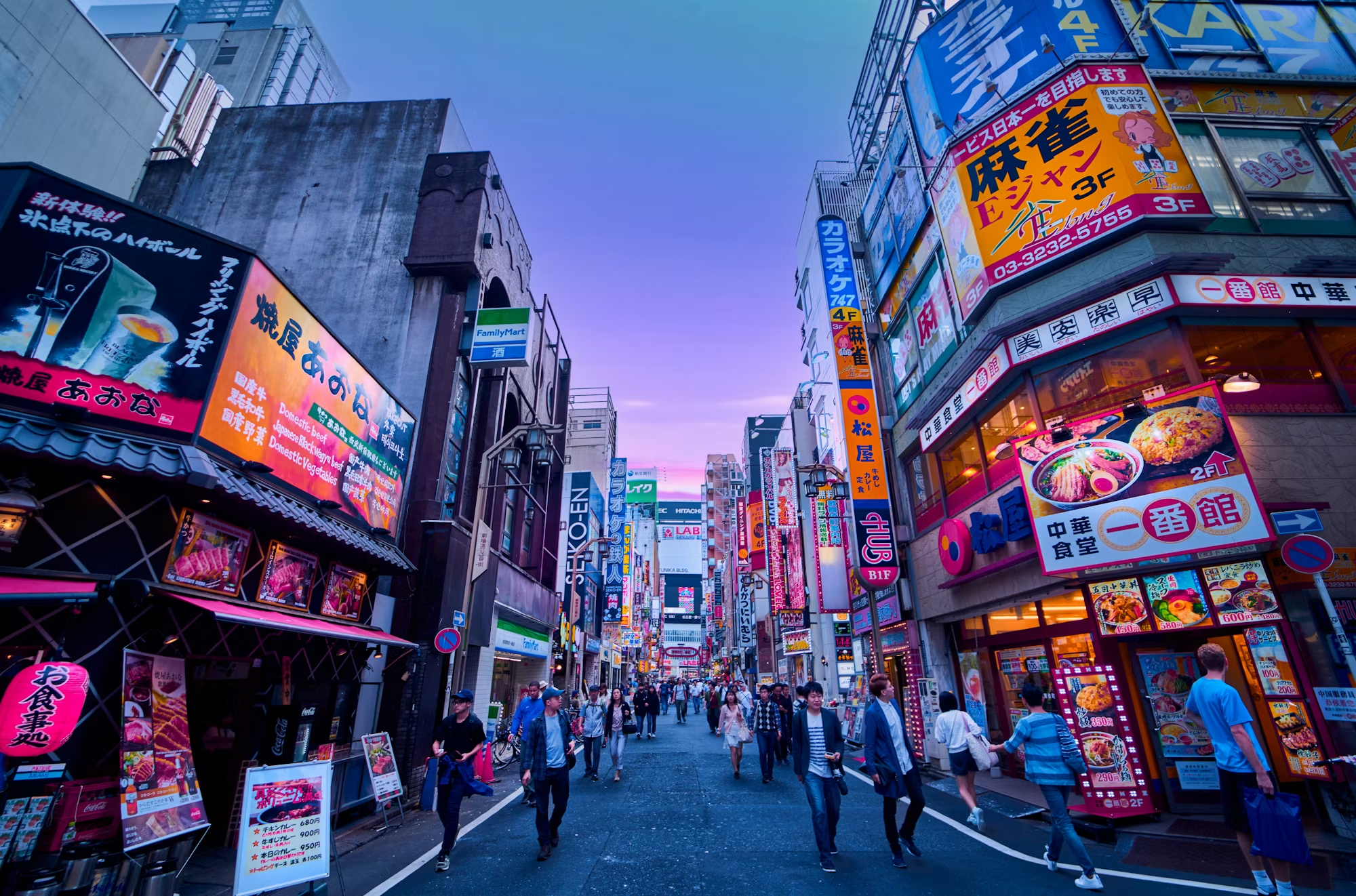
In the heart of the cyberpunk aesthetic lies a dynamic interplay between technology and art, where neon-lit streets and digital landscapes inspire new forms of creative expression. As technology evolves, so too does the way we perceive and create art. This article examines the transformation of artistic practices within a cyberpunk context, exploring the fusion of traditional and digital mediums, the role of community, and the quest for authenticity in an increasingly virtual world.
Art has always been a reflection of society, and in a cyberpunk world, it serves as both a mirror and a critique of the technological advancements that shape our lives. The visual language of cyberpunk—characterized by vibrant colors, gritty urban landscapes, and futuristic motifs—captures the essence of a society grappling with the duality of progress and decay. Artists draw inspiration from their surroundings, using their work to comment on the complexities of modern existence. This interplay between environment and expression leads to a rich tapestry of artistic innovation that is both compelling and thought-provoking.
The advent of digital technology has revolutionized the way artists create and share their work. Digital art forms, including virtual reality (VR), augmented reality (AR), and interactive installations, offer new avenues for artistic exploration. These technologies allow artists to break free from traditional constraints, crafting immersive experiences that engage audiences in unprecedented ways. The ability to manipulate digital spaces enables artists to construct realities that challenge perceptions and provoke thought, much like the narratives found within cyberpunk literature and film.
Moreover, the integration of technology into artistic practices encourages collaboration and community-building among artists. In a cyberpunk world, artists often come together to form collectives, sharing ideas and resources to create works that resonate with their shared experiences. These collaborative efforts not only amplify individual voices but also foster a sense of belonging in an increasingly fragmented society. Through community engagement, artists can tap into diverse perspectives, resulting in a richer and more inclusive artistic landscape.
The rise of online platforms has further democratized the art world, allowing creators to reach wider audiences without the constraints of traditional gatekeeping. Social media, virtual galleries, and online marketplaces empower artists to showcase their work and connect with audiences on a global scale. This shift has transformed the art market, enabling emerging artists to find their place alongside established names. In this context, the lines between creator and consumer blur, fostering a sense of community that is central to the cyberpunk ethos.
However, this digital landscape is not without its challenges. As technology continues to evolve, questions arise regarding authenticity and the value of art in a world dominated by mass production and digital reproduction. In a cyberpunk setting, where reality and virtuality intersect, artists must navigate the complexities of originality and ownership. The ease of replicating digital works can dilute their perceived value, prompting artists to seek innovative ways to maintain authenticity in their creations.
This quest for authenticity often leads artists to explore themes of identity and self-expression. In a world where technology shapes our lives, artists use their work to interrogate the impact of digital culture on personal and collective identities. Cyberpunk narratives often feature protagonists grappling with their sense of self amidst a backdrop of technological influence, and artists mirror this struggle through their creations. By reflecting on their experiences and challenges, artists can connect with audiences on a deeper level, fostering a sense of empathy and understanding.
The fusion of traditional and digital art forms is another hallmark of the cyberpunk artistic landscape. Artists often draw from established techniques while embracing new technologies, creating hybrid works that challenge the boundaries of genre and medium. For example, a painter may incorporate digital elements into their canvas, or a sculptor might use 3D printing to bring their vision to life. This blending of approaches not only enriches the artistic dialogue but also highlights the potential for innovation that arises from cross-pollination between different practices.
As we explore the evolution of art in a cyberpunk world, we cannot overlook the role of technology as both a tool and a subject. Artists frequently engage with technological themes in their work, critiquing the impact of automation, surveillance, and corporate control on society. By addressing these issues through their art, creators can inspire dialogue and provoke critical thinking among their audiences. This engagement reflects the spirit of resistance that permeates cyberpunk narratives, where characters challenge oppressive systems and assert their individuality in a world that seeks to homogenize their experiences.
In this context, the role of art as a form of resistance becomes increasingly significant. Artists often position themselves as commentators on societal issues, using their platforms to advocate for change and raise awareness about pressing concerns. This aligns with the cyberpunk ethos, where individuals band together to resist the status quo and strive for a more equitable future. By leveraging their creative talents, artists can contribute to movements that challenge corporate dominance and advocate for social justice.
As we look to the future, the evolution of art in a cyberpunk world will undoubtedly continue to unfold in exciting and unpredictable ways. The interplay between technology and artistic expression will pave the way for new forms of creativity that challenge our understanding of art and its role in society. By embracing innovation while remaining grounded in authenticity, artists can navigate the complexities of the digital landscape and create work that resonates with audiences in meaningful ways.
In conclusion, the relationship between technology and art in a cyberpunk context is both dynamic and multifaceted. Through the blending of traditional and digital mediums, the fostering of community, and the pursuit of authenticity, artists navigate a landscape that reflects the complexities of modern existence. As we continue to explore the implications of technology on artistic expression, we are reminded of the power of creativity to inspire change and foster connection in an increasingly interconnected world. The echoes of digital art resonate through the fabric of society, shaping our understanding of ourselves and our place within the ever-evolving narrative of the cyberpunk genre.